I’ve been thinking a lot about the digital spaces we build for ourselves.
It started with a reading I was assigned for my Digital Publishing independent study, a chapter from Miller et al.’s How the World Changed Social Media. One passage in particular stuck out:
In the south Indian field site, when asked about the privacy of photographs, many people responded: ‘I won’t share it online, we only share it offline.’ As Venkatraman noted, by ‘offline’ people actually mean sending photos to their close friends via WhatsApp. Technically WhatsApp is ‘online’ in the sense of being sent through a smartphone app, but ‘offline’ in these people’s understanding because that is not for them ‘the internet’. ‘Offline’ also here refers to the very private nature of the sociality, whereas ‘online’ is understood to be the public- facing aspects of the internet.
Chapter 7 “Online and offline relationships,” How the World Changed Social Media, p. 101
As older family members find their Facebook posting groove and discover their favorite Instagram hashtags, Generation Y and Z seem to be flocking more and more into “private” digital circles – group DMs, Discord servers, Google Hangouts. Now that we’re stuck inside, these spaces have become even more distinct as we shift our social lives entirely online.
Here are eight comics that explore how we got here and where we’re heading:
1) Internet Crusader by George Wylesol (Avery Hill, 2019)
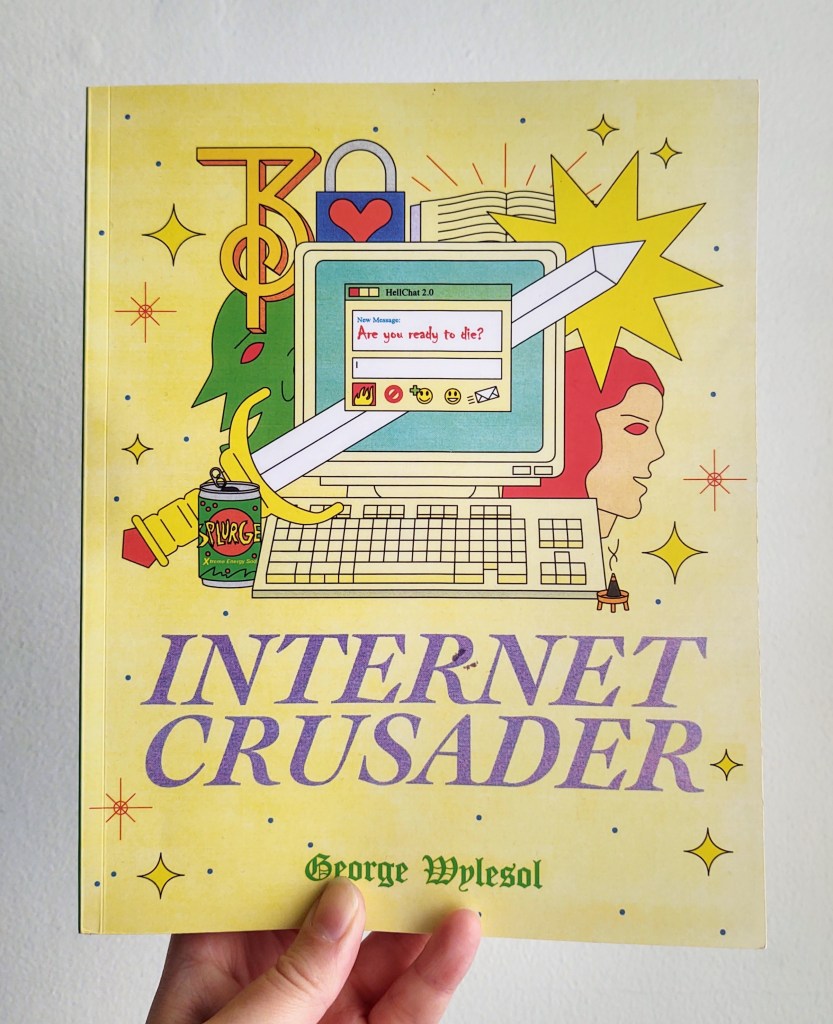
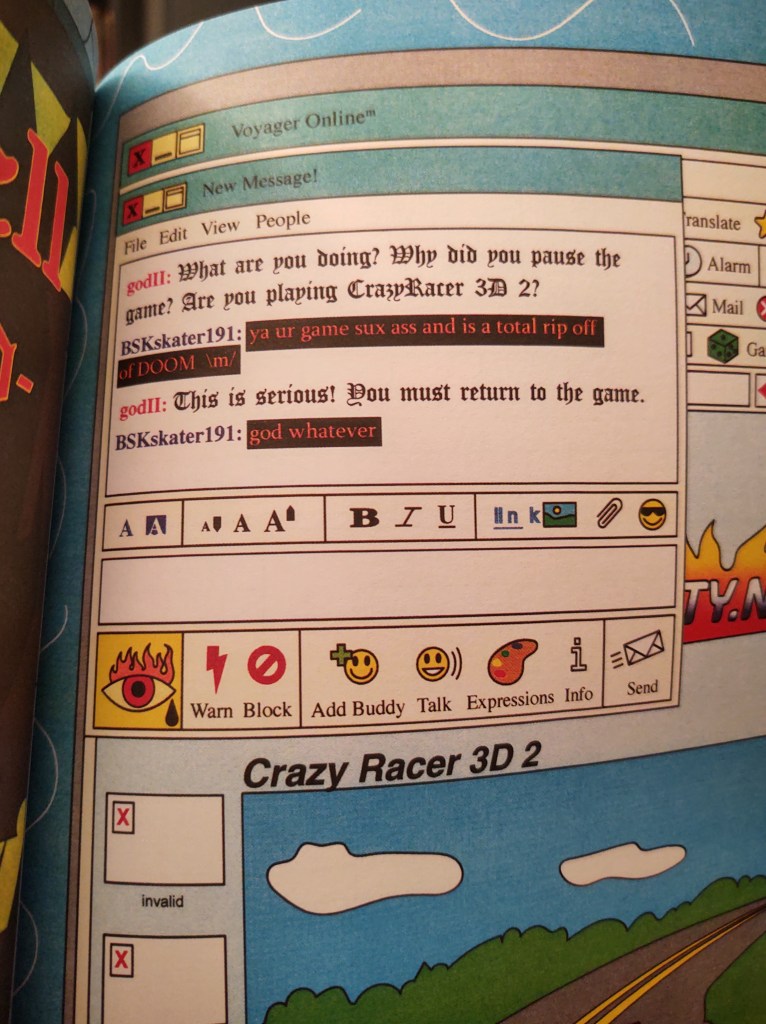
Wylesol takes us back to the age of AOL instant messenger and popup advertising in this tale about a demonic cult’s viral uprising and the teenagers tasked with thwarting them. Told entirely through early aughts desktop user interfaces, the result is a thrilling exercise in visual literacy. Also, check out those fonts.
2) Weird Me by Kelly Phillips (self-published, 2017)
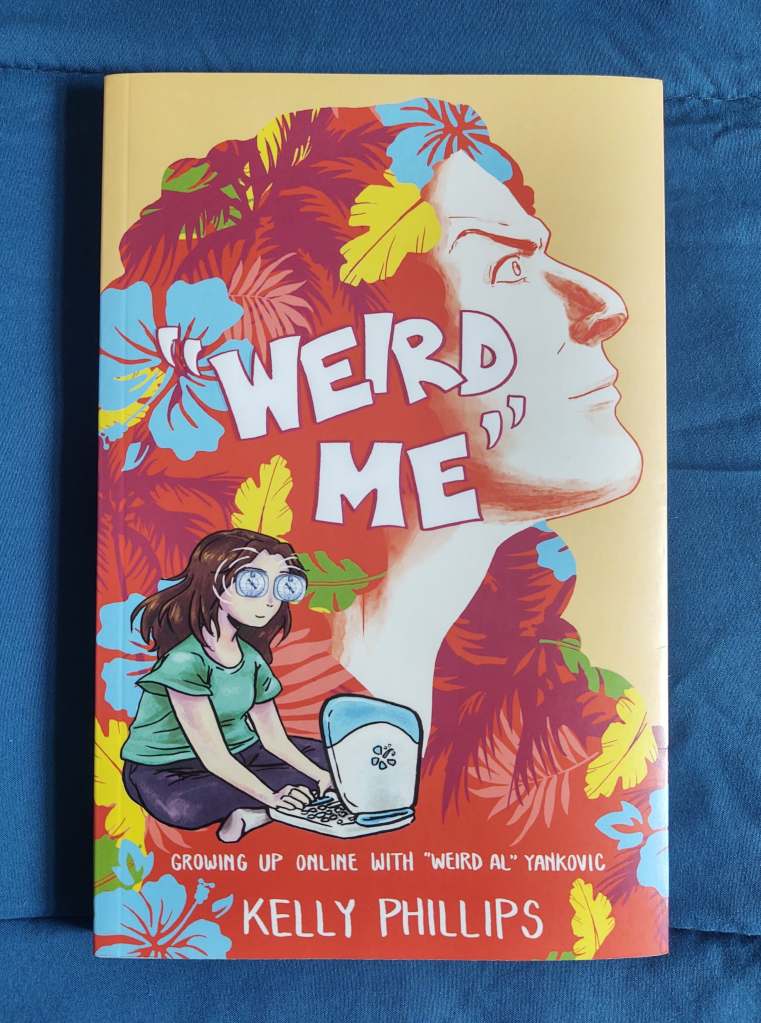
Phillips reflects on her experiences as the teenage webmaster of an early 2000s “Weird Al” Yankovic fansite and in the process gives a beautiful message about how our teenage passions follow us into adulthood. If that summary isn’t enough of a sell, let me also say that at least one Newbery Medal-winning author liked it.
3) Connection Lost by Carey Pietsch (self-published, 2016)
Yes, that Carey Pietsch! The titular story in this collection of five personal shorts perfectly captures the transient nature of those online friendships we built and lost on the 2000s internet.
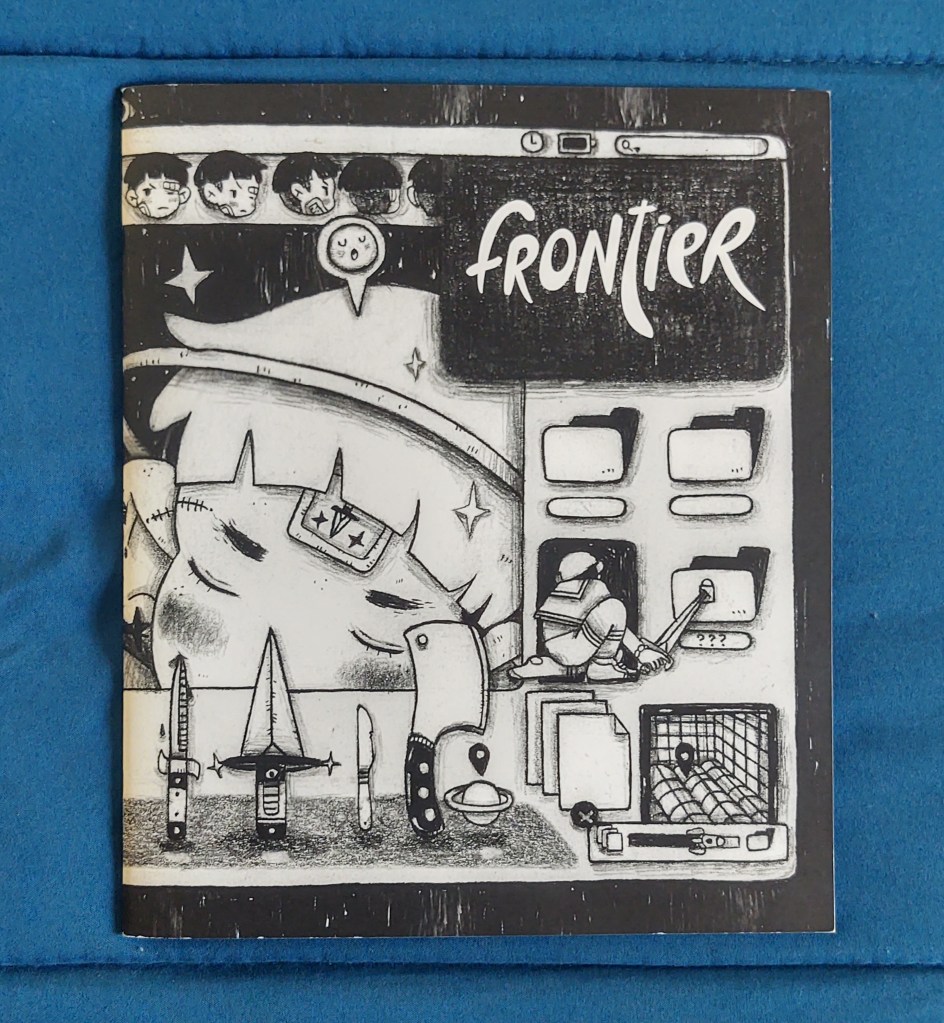
4) Frontier #12 by Kelly Kwang (Youth in Decline, 2016)
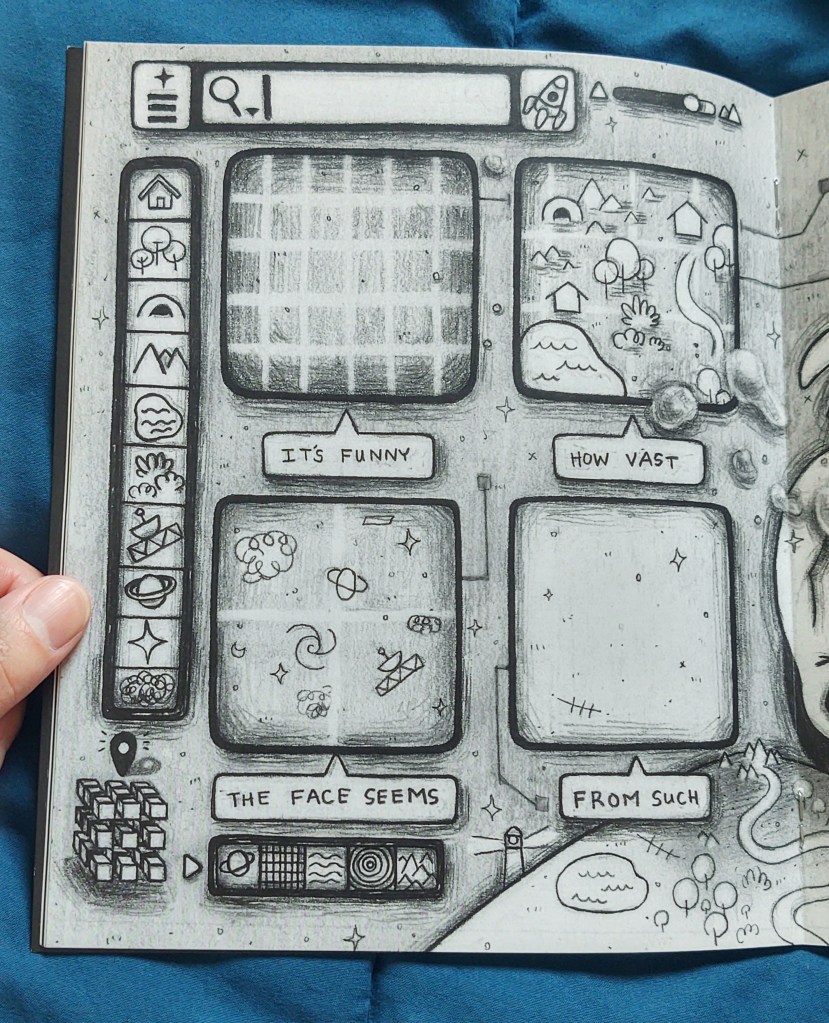
INTERNET IS A MALLEABLE SPACE
U CAN CRADLE W/ YOUR OWN 2 HANDS
SHAPE & FORM & MOLD
Frontier is Youth in Decline’s quarterly artist showcase publication. The twelfth issue by Kelly Kwang starts out as a sort of roleplaying overview with character profiles and story logs and then transitions into reflections on loneliness and yearning. Most of the contextual information is categorized via file folder icons and framed within web browser windows, visuals that conflict with the smudgy grey scale art and handwritten notes that evoke the manual work of drawing in mediums like charcoal, chalk, and graphite. A contrast that I simply adore and punts me right back to my emo Livejournal days.
5) Rotten Roses by April Malig (self-published, 2019)
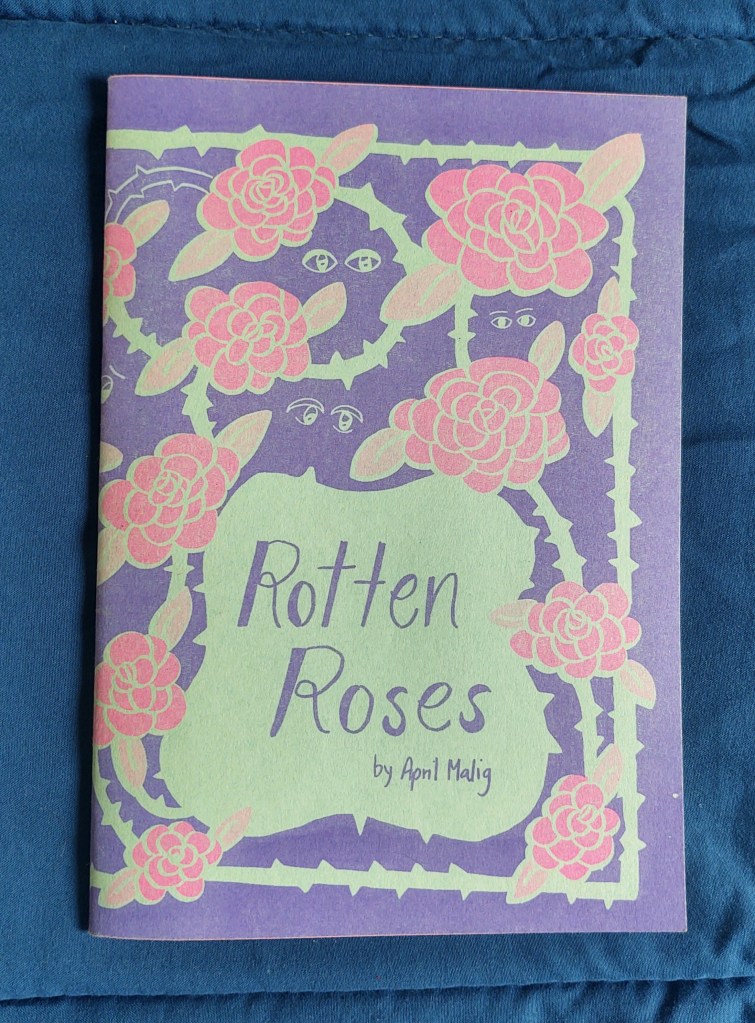
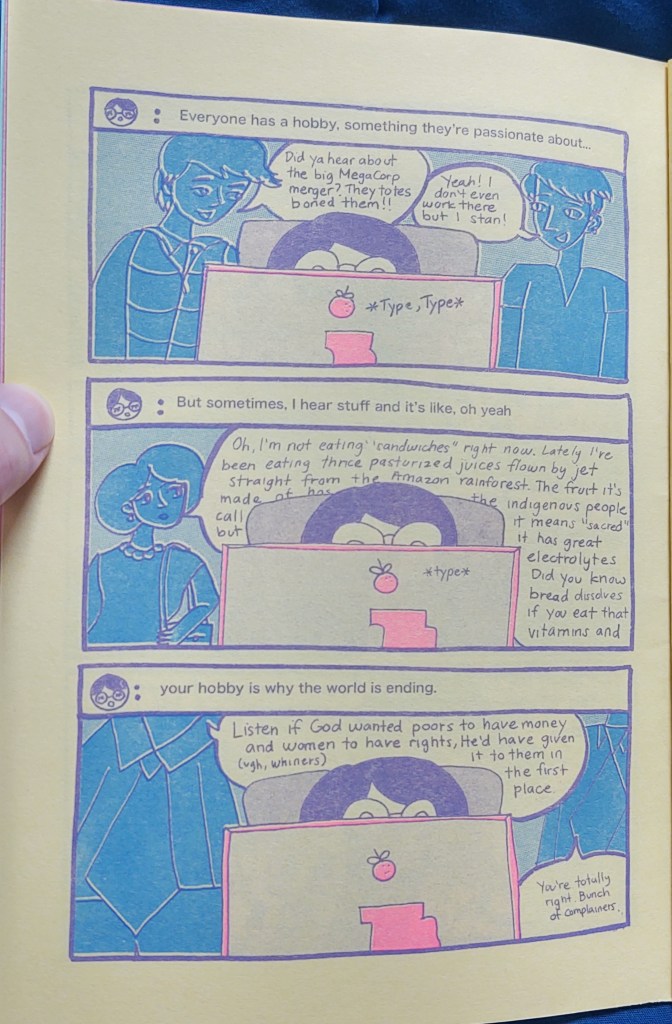
A gorgeously printed risograph minicomic about four BL fangirls retreating to their group chat to cope with the outside world and the “outside” internet. The first work that comes to mind when I talk about the online spaces we’ve “built” for ourselves.
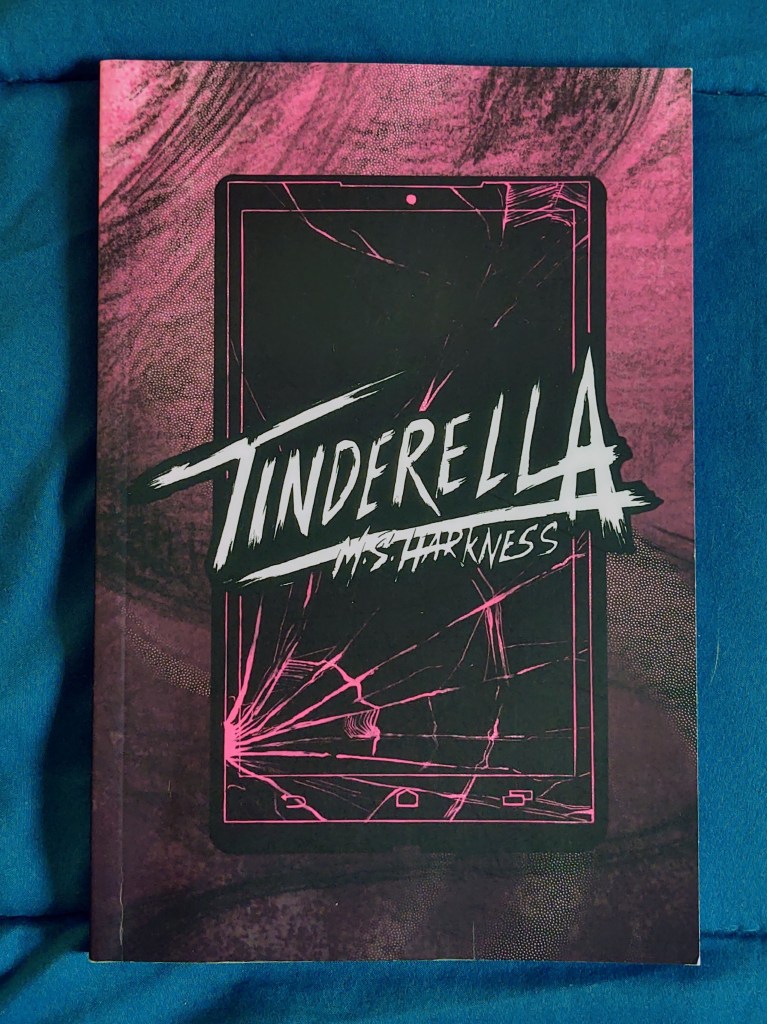
6) Tinderella by M.S. Harkness (Uncivilized Books, 2020; 2018 Kilgore Books edition pictured)
You can probably tell where this is going from the title alone. As winter approaches, our “unreliable narrator” turns to Tinder for company, only to find that app-generated matches might not be much better than her usual random gym hookups. Harkness’ autobio comics never fail me, and this book is no exception. Her minicomic A Savage Journey to the Heart of an Anime Convention also remains, to this day, one of my favorite purchases of all time.
7) <Open Thread> by Siah Files (Beehive Books, 2019)
The internet has all kinds of social rules. As the lines between our in-person identities and online avatars continue to blur, these rules have to be updated. For example, when someone dies in real life, to what extent do they die online? What about vice versa? Files’ one-page digital comic is a succinct illustration of the immortality of the internet persona and how we grieve digitally.
8) Press Enter to Continue by Ana Galvañ (Fantagraphics, 2019)
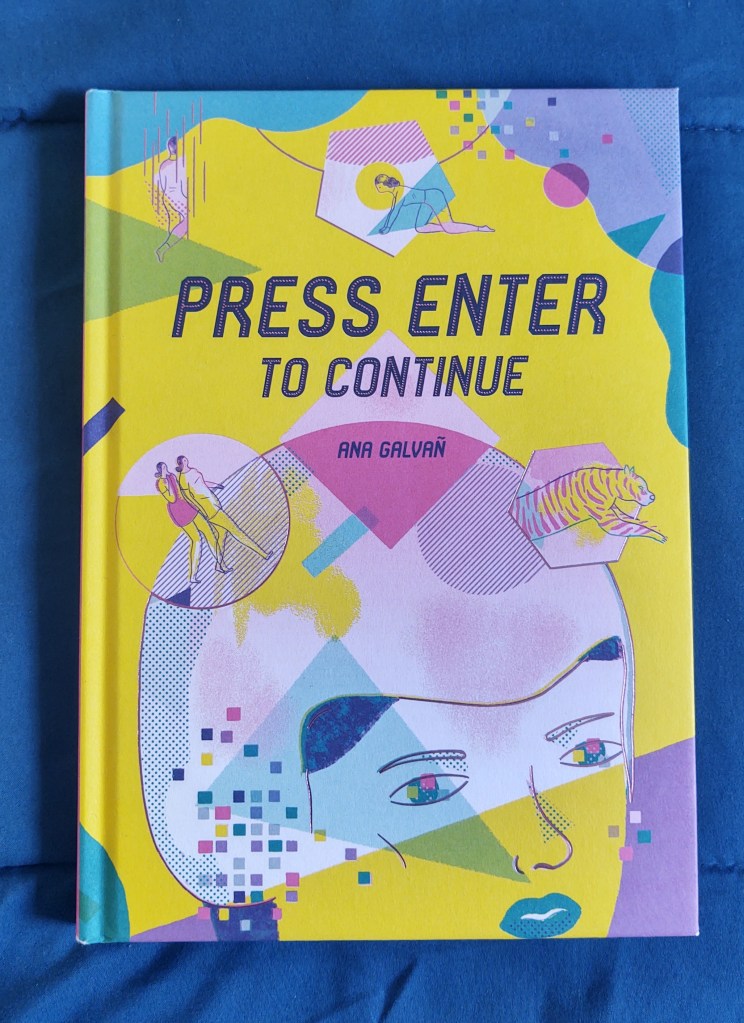
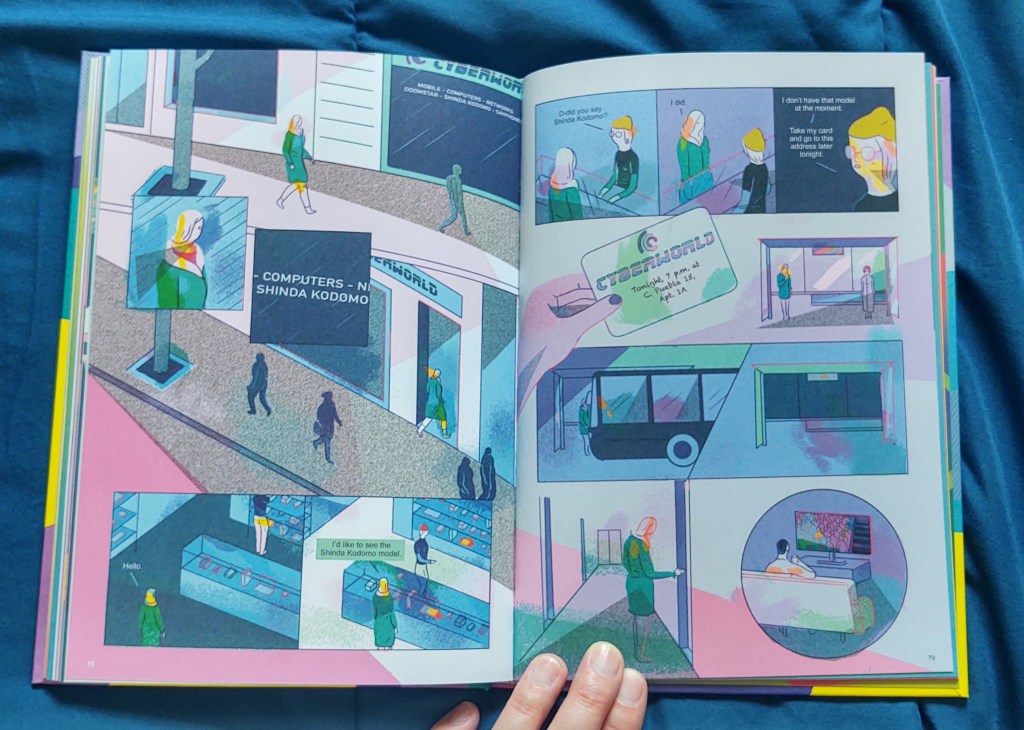
In the last few decades, virtual reality has gone from science fiction to an obtainable household fixture. Press Enter to Continue is a chilling, psychedelic venture into what else may become possible as the internet continues to expand into our social realms.
 SpiderHouses